

Monthly Columns
Fireside Eye Care: Eye Dryness

Dr. Heddingaus has teamed up with us, The BenGil Post, to provide eye care insight to area residents as well as offer professional suggestions.
July is Dry Eye Awareness Month
Dry eye affects over 21 million Americans and is often under-recognized and under-diagnosed. July is Dry Eye Awareness Month and Dr. Shawna Heddinghaus of Fireside Eye Care in Benld is encouraging men and women suffering from dry eye syndrome to visit their eye doctor to learn more about dry eye disease and the treatment options available.
According to Dr. Heddingaus of Fireside Eye Care: “Dry eye disease is a common condition in which the eye does not produce enough tears to keep the surface of the eye sufficiently lubricated. In its mild to moderate forms, it can impact vision and the ability to go about daily activities. In its more severe forms, dry eye disease can lead to permanent loss of vision.”
- Gritty Eyes
- Sore Eye
- Blurred or Poor Vision
- Problems with:
- Light
- Reading
- Watching TV
- Air Conditioning or Heating
- Dry or Windy Days
- Use a humidifier to keep natural moisture in the air.
- Avoid hair dryers, harsh winds, overly warm rooms, and cigarette smoke.
- When outdoors, wear goggles or sunglasses that wrap around the eyes.
- Use artificial tears, if directed by your doctor, especially in climates with low humidity, in air-conditioned environments, and in airplanes or cars when the heater or defroster is on.
- When using a computer, remember to blink often and give eyes a rest from staring at the screen.
- Apply a warm washcloth to soothe irritated eyes.
- Do not use harsh soaps or cleansers on or around the eye area.
Also ask your eye doctor about RESTASIS, the only prescription eye drop that helps increase your eyes’ natural ability to produce tears, which may be reduced by inflammation due to chronic dry eye. For more information about dry eye disease and treatment options or to schedule an appointment, please contact your eye doctor.
Comments


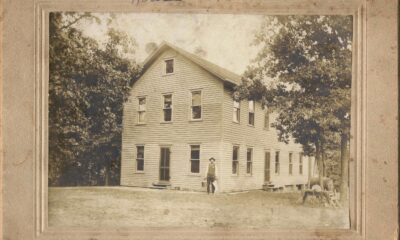


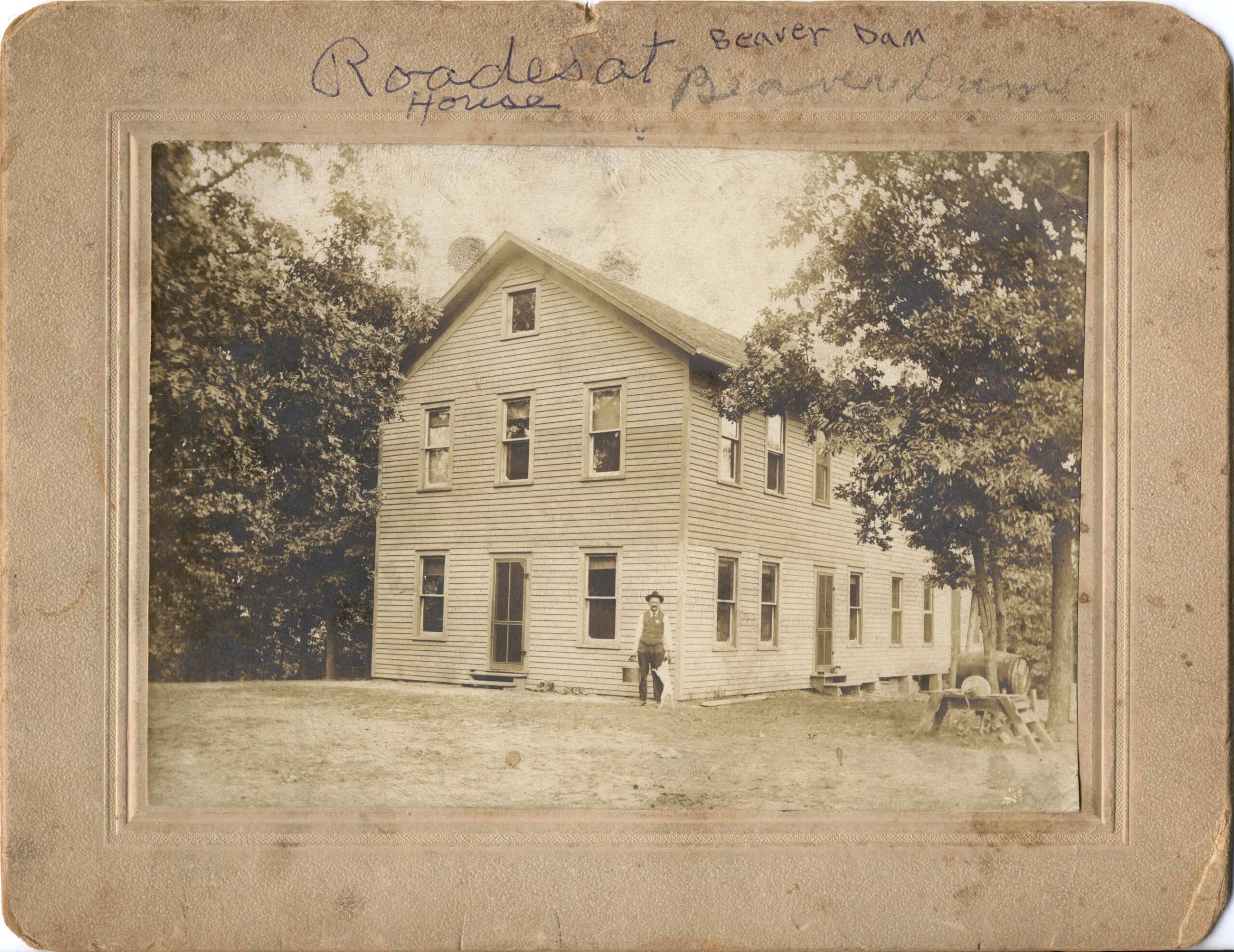
A century ago, a hotel was a landmark at the area that became Beaver Dam State Park in south-central Macoupin County. The structure has lived on in various incarnations since it closed in 1938.
The two-story, sixteen-room building opened for business in 1906. The exterior of the white-frame structure was spartan in appearance, which likely reflected the interior. But the hotel was a favorite stopover for visitors to Beaver Dam Lake.
Advertisements for the hotel were found in the St. Louis, Alton, and Springfield papers and attracted guests from miles around. “There must have been some business there,” said Jim Frank of the Macoupin County Historical Society in an interview before his death in late 2024. “People came from all over to visit the lake and stay in the hotel.”
Frank, who lived south of Beaver Dam, notes that guests arrived by train from Macoupin Station, a mile to the north. “They would be met there by a horse-drawn coach,” he remarked. “That would take them up the hill to the hotel.”
Though the hotel was basic, its surroundings were scenic. A tree-lined lane met visitors on the approach to the building, which sat just inside the current park entrance, on the right.
The hotel was operated by Frank Rhoads and his wife Sarah, whose father, Henry Brayford, played a pivotal role in the development of the lake for recreational purposes.
In 1881, some eighteen leading Carlinville residents leased the property from Brayford to create the Beaver Dam Lake Club. The members spent an estimated $2600 to construct earthen dams on either end of the lake to raise the water level.
Brayford, a coal miner who began to sink a new mine in 1899, died of a lingering illness on Dec. 23, 1901 at age 84. When Frank and Sarah Rhoads inherited the property, they ended the lease to the Carlinville businessmen and built the hotel, which opened as the Beaver Dam Fishing Resort.
The Rhoads, who had no children, took extra steps to ensure their guests’ enjoyment. “Mrs. Rhoads was quite a musician,” said Frank. “There was a grand piano and an organ in the hotel parlor, and she would play those to entertain the visitors.”
It was not the only way in which Sarah Rhoads put her stamp on the hotel. When meals were served, she called the guests and fishermen inside by blowing a large fox horn that sounded across the lake. A taxidermist, her mounts of local wild animals were displayed in the hotel and in its guest rooms. She was also adept at photography and for a fee, provided photos of her guests and their catches of fish.
Guests to the lake could fish for a dollar per day, while lodging was two dollars per night. Outdoor camping was permitted, but Sarah, owing to customs of the day, would not allow female campers.
Some individuals tried to avoid the fishing fee by sneaking into the lake grounds. However, the Rhoads posted watchmen who would collect the fee as they scaled the fences.
The completion of the Shipman Blacktop in 1937 doomed the hotel, as many guests began to spend the day and drive home at night, rather than staying over. Fee fishing continued at the site for several years, In 1947, the state of Illinois acquired the 425-acre property, which opened to the public as a state park the following year.
The second floor of the hotel was torn off, and the rest was converted into a residence for park rangers. The state also reconstructed and raised the earthen dams to create a lake of 56.5 acres. In 1955, additional land was acquired, boosting the park to 737 acres.
When capital improvements were made to Beaver Dam State Park in the late 2000s, the old hotel structure was sold to area residents and moved off site. The building now sits on private property.
Tom Emery is a freelance writer and historical researcher from Carlinville, Ill. He may be reached at 217-710-8392 or ilcivilwar@yahoo.com.
Comments


